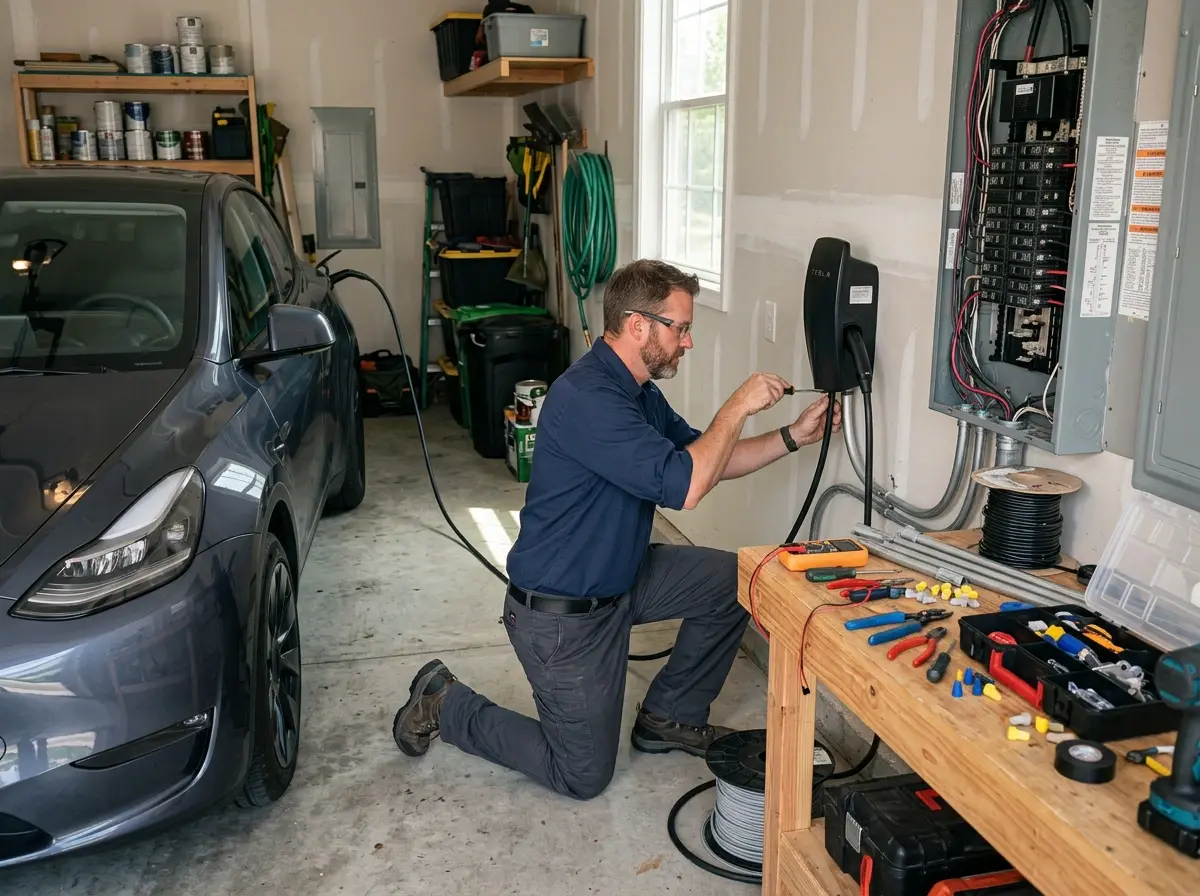
Powering Your Electric Vehicle with Professional Installation
Electric vehicles represent a significant shift in how we think about transportation and home energy. Unlike gasoline cars that refuel at stations, EVs refuel where you park overnight—making your home charging setup as essential as the vehicle itself. Yet the electrical demands of EV charging differ substantially from standard household circuits. A Level 2 charger draws continuous current equivalent to multiple major appliances running simultaneously. It requires dedicated circuits, specialized breakers, and often significant upgrades to electrical panels designed for lower household loads. As electrical contractors serving South Fulton homeowners, we approach every EV charger installation as a comprehensive electrical project—evaluating existing infrastructure, calculating future needs, and installing systems that deliver reliable charging while maintaining whole-home electrical safety. When we complete your installation, you gain the confidence that your EV charges reliably, your home remains protected, and your installation qualifies for available utility incentives.
EV Charger Installation Services We Provide
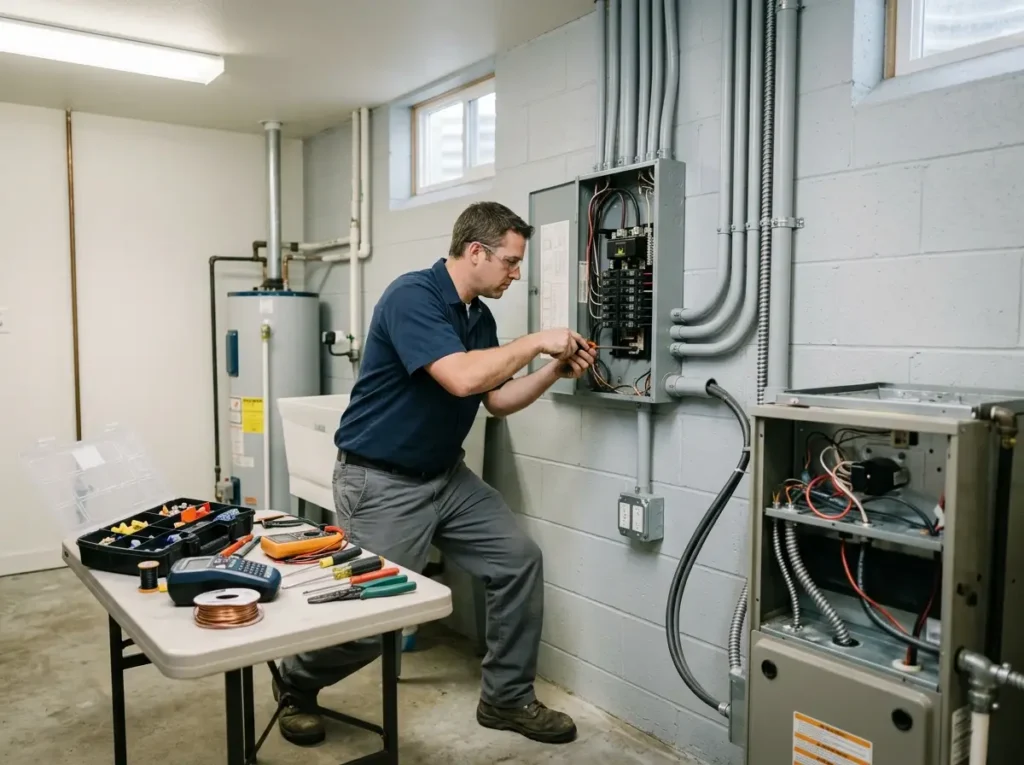
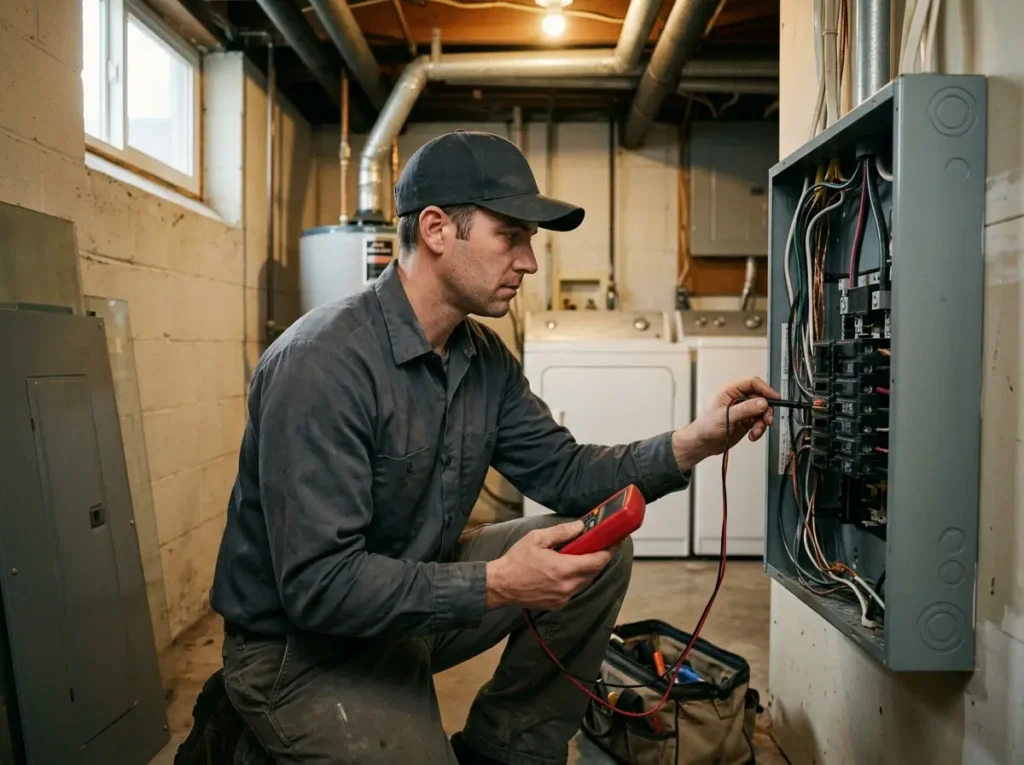
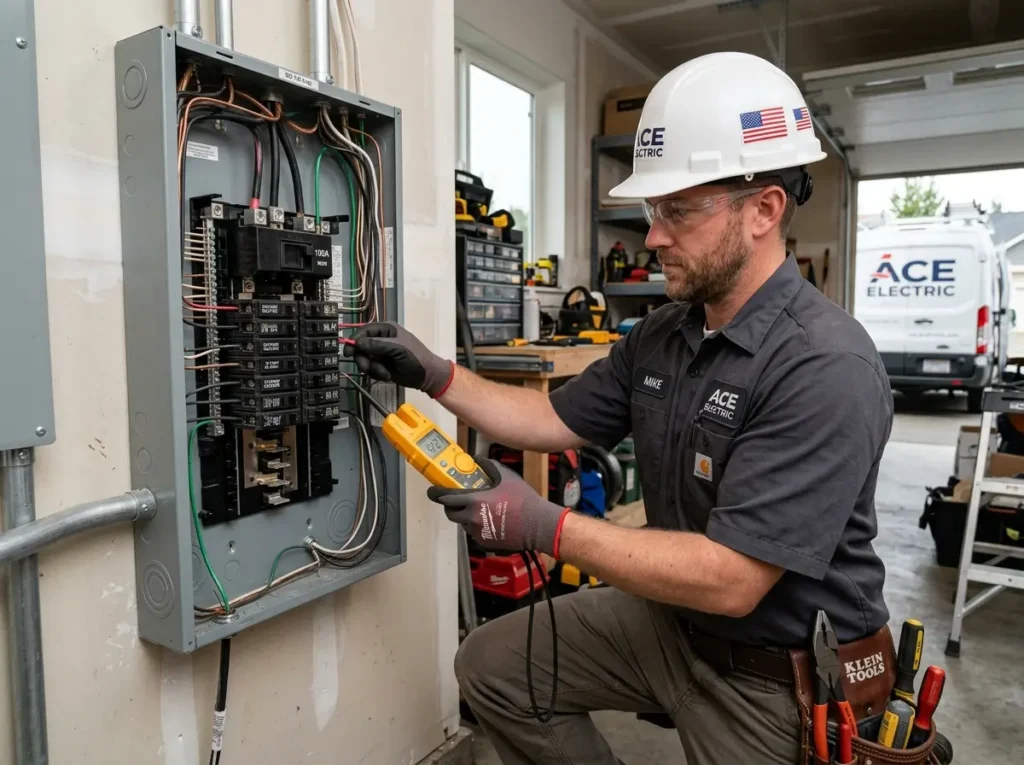
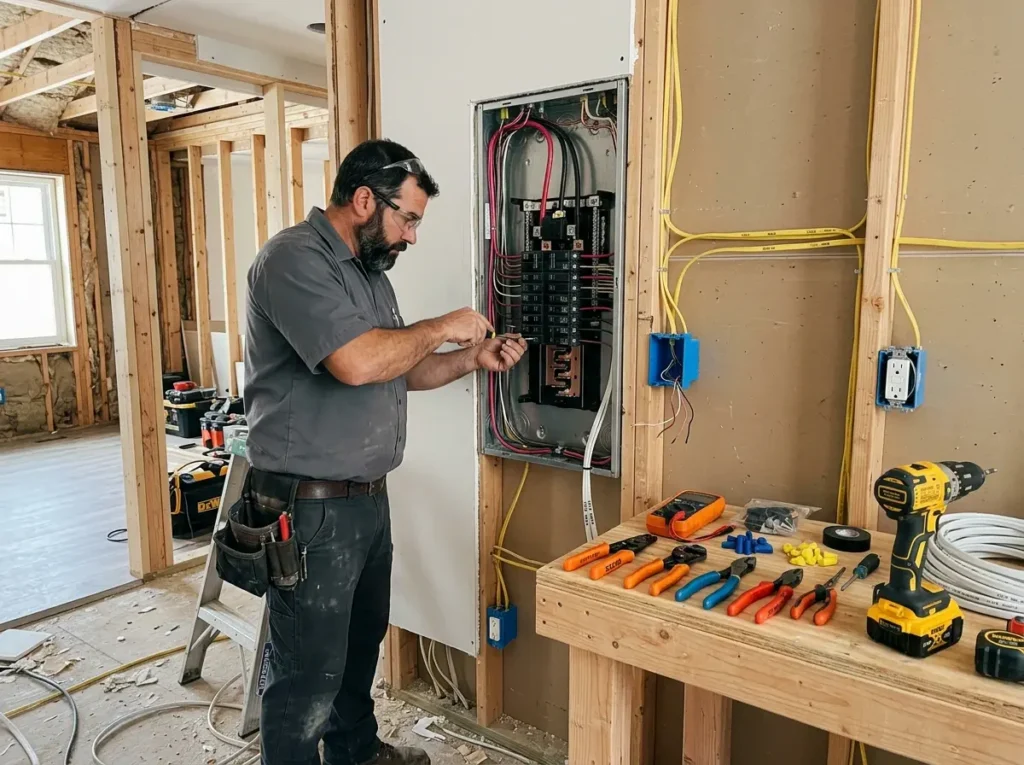
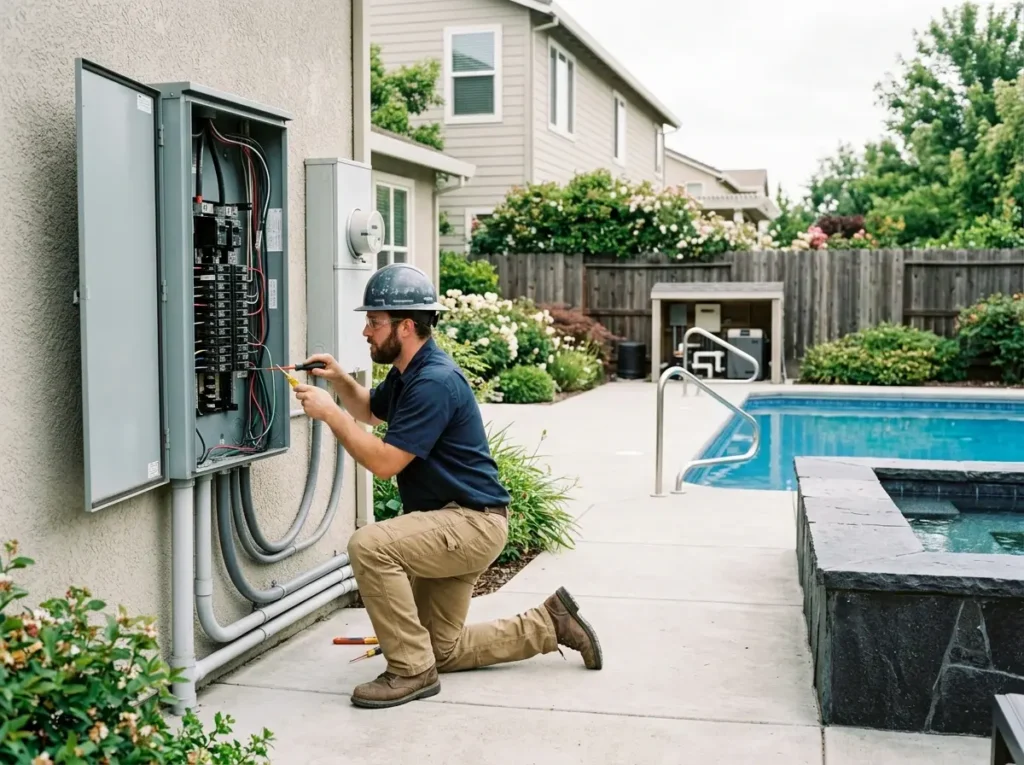
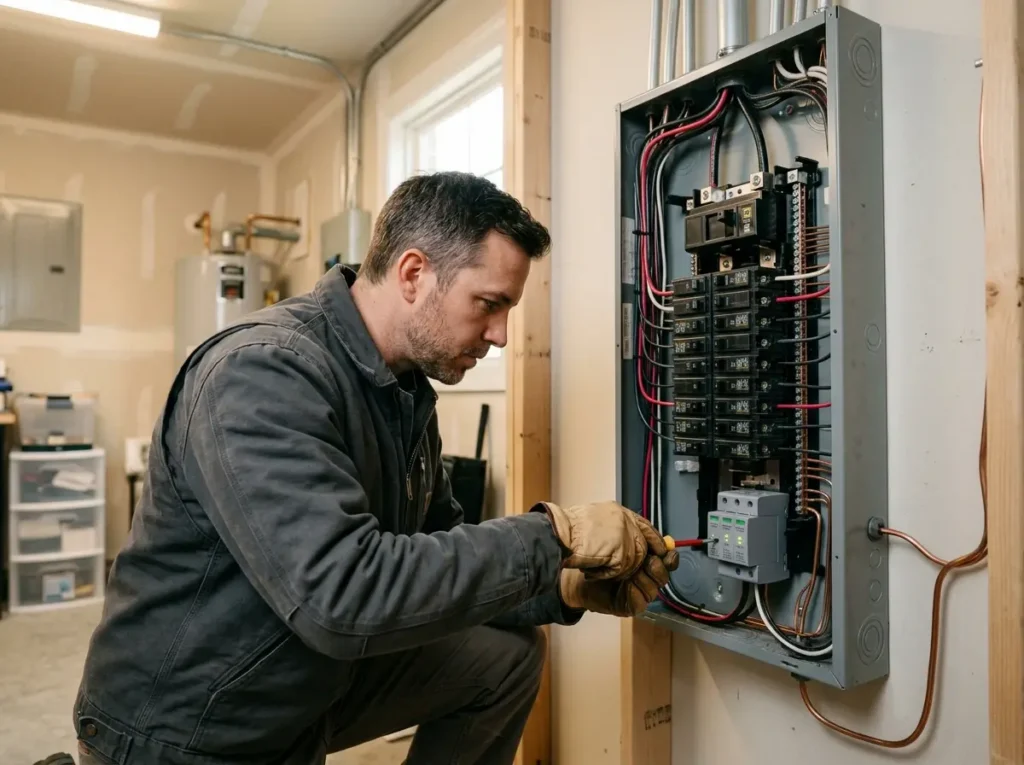
Every EV charger installation begins with a thorough assessment of your home's electrical capacity. We evaluate your current panel size—many homes with 100-amp or 125-amp panels lack the spare capacity for additional 40- to 80-amp loads. We perform load calculations that account for your home's existing appliances, HVAC systems, and anticipated EV charging demands, identifying whether your panel can accommodate a new charger or requires upgrade to 200-amp service. We also evaluate your panel's physical space for new breakers, ensuring adequate room for the double-pole breaker that Level 2 chargers require.
For most EV owners, Level 2 EV charger installation represents the ideal solution. Level 2 chargers operate on 240-volt circuits, delivering 20 to 40 miles of range per hour—sufficient to fully charge most EVs overnight. We install Level 2 chargers in both hardwired and plug-in configurations. Hardwired installations provide a cleaner appearance with fewer connection points, often qualifying for higher amperage charging. Plug-in installations using NEMA 14-50 outlets offer flexibility for future charger upgrades and easier replacement if equipment fails. We recommend the appropriate configuration based on your charger selection, installation location, and long-term plans.
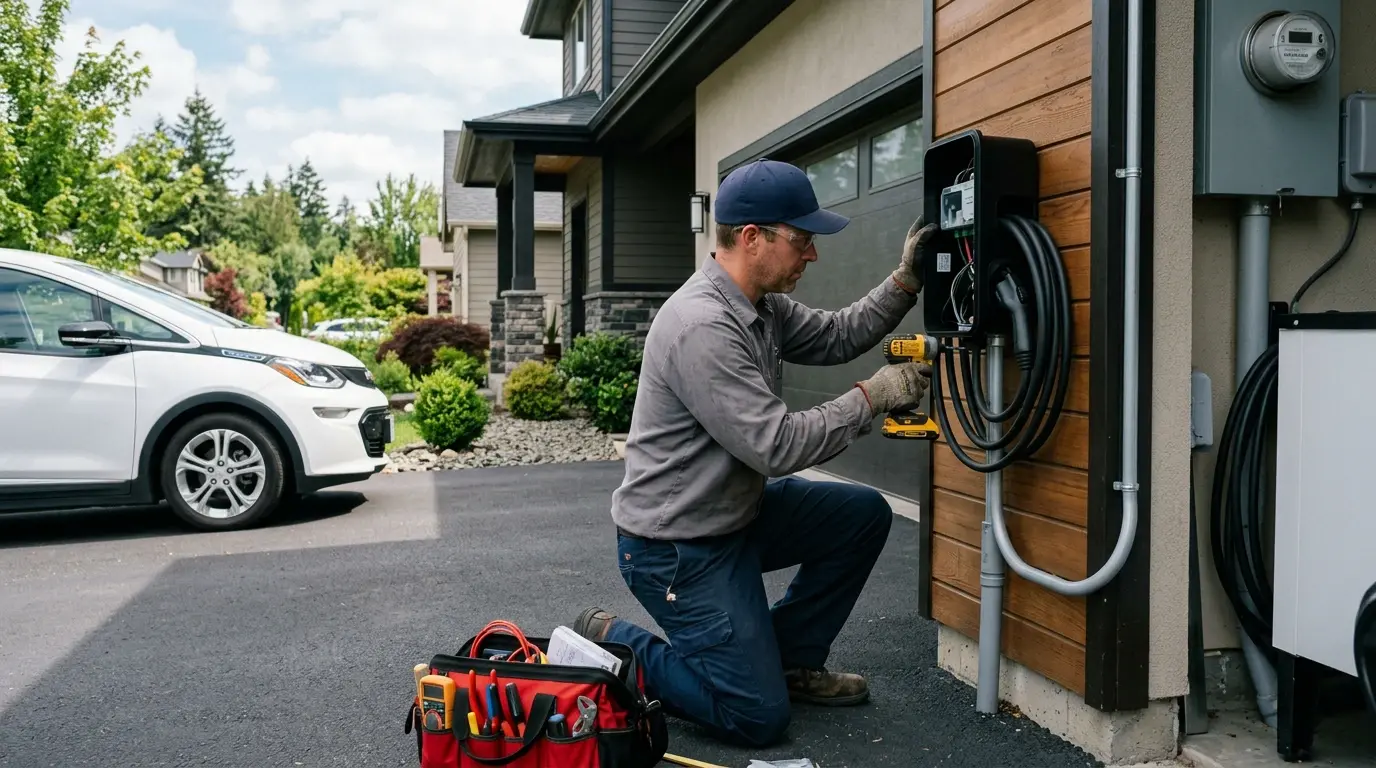
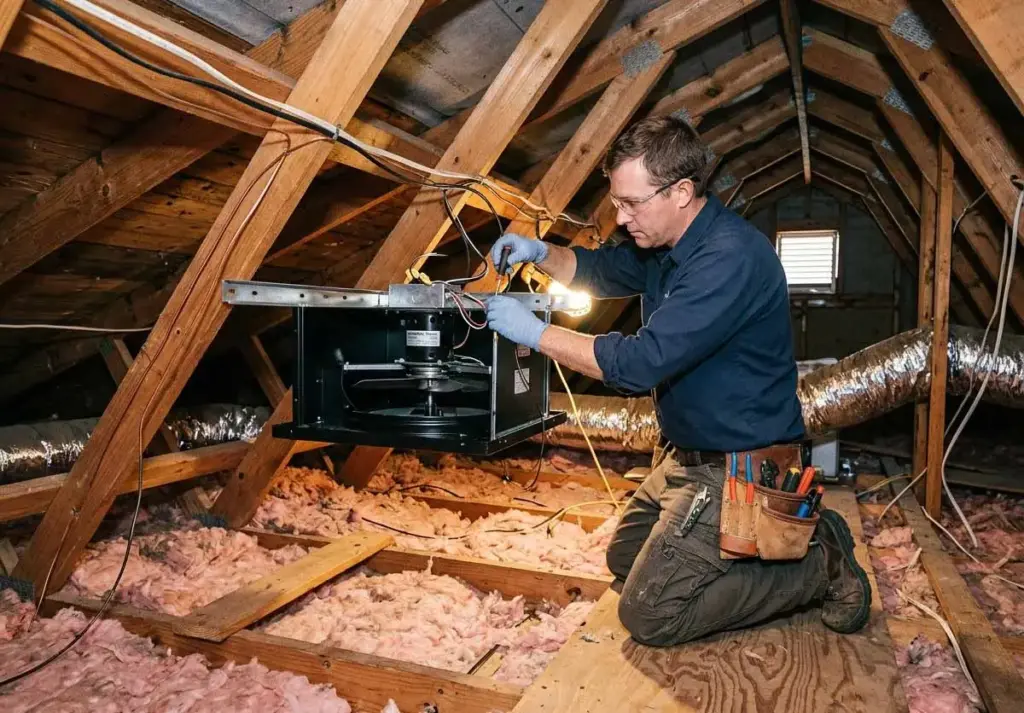
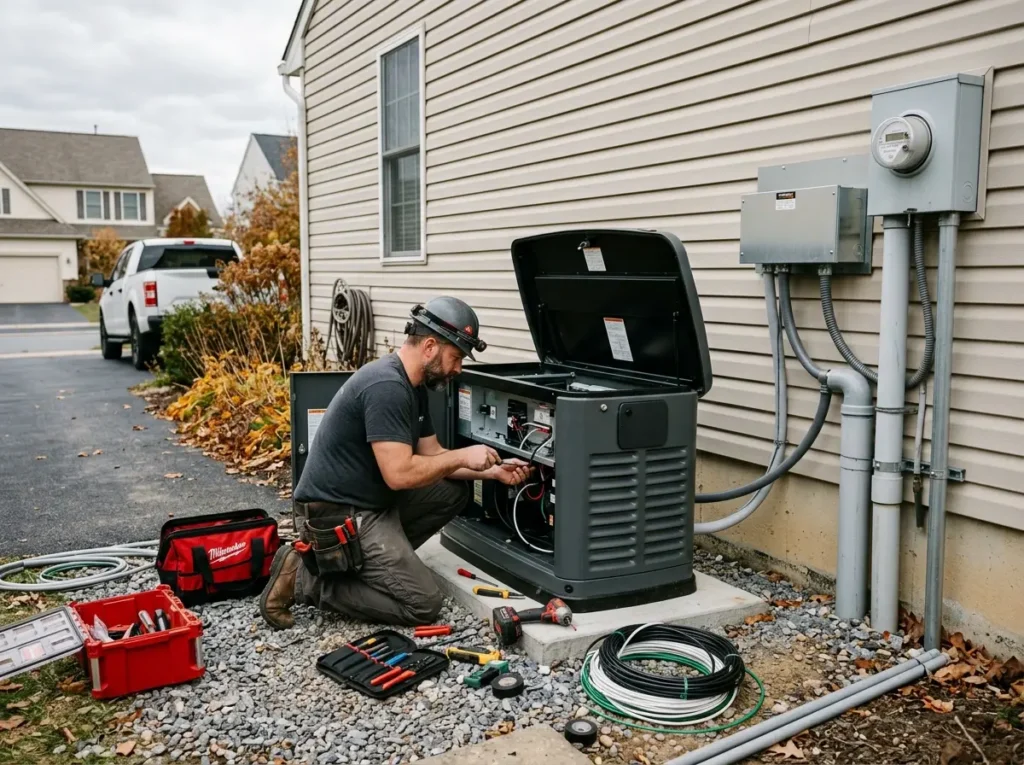
Charger placement significantly affects both installation complexity and daily convenience. We evaluate your garage or exterior charging location, considering factors like distance from the panel (affecting wiring costs), protection from vehicle impact, weather exposure, and cord reach to your vehicle's charging port. We run conduit through finished walls, attics, or crawl spaces where necessary, concealing wiring while maintaining accessibility for future maintenance. For exterior installations, we use weatherproof enclosures, proper sealing, and mounting heights that protect equipment from snow, rain, and direct sun exposure.
Understanding electric vehicle charger installation cost requires transparency about factors that influence project scope. We provide detailed estimates that break down panel upgrades when needed, wiring distances from panel to charger, equipment selection, and permit costs. We explain why some installations cost more than others—a charger mounted on a wall adjacent to a panel with existing capacity may complete in a few hours, while a charger requiring panel upgrade, long conduit runs across a finished basement, and trenching to a detached garage becomes a more substantial project. We never provide one-size-fits-all estimates; we evaluate your specific situation and present clear options at different price points.
Home EV charging station installation often involves coordination beyond basic electrical work. We help you navigate utility programs that offer rebates for charger installations, providing documentation required for incentive applications. We obtain necessary EV charger installation permit approvals and schedule inspections, ensuring your installation meets local code requirements and qualifies for any available incentives that require permitted work. We also coordinate with charger manufacturers when warranty registration requires professional installation documentation, protecting your equipment investment.
Common EV Charger Installation Issues We Address
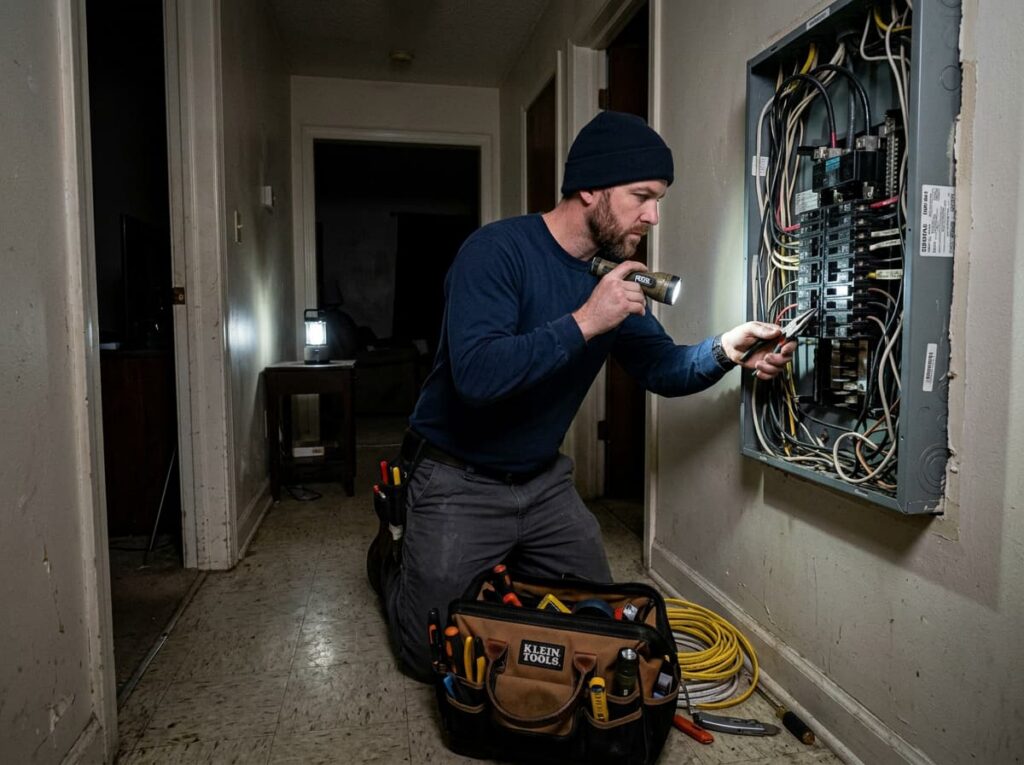
Beyond new installations, we frequently resolve problems with existing EV charging setups. Chargers that trip breakers during operation may indicate insufficient panel capacity, improper breaker sizing, or wiring issues that overheat under continuous load. Chargers that charge slower than expected may have voltage drop from undersized wiring, incorrect configuration settings, or shared circuits that limit available power. Chargers that intermittently stop charging may have loose connections, failing components, or communication issues between charger and vehicle.
We also address installations where previous electricians or homeowners attempted DIY solutions that don't meet code. Common issues include undersized wiring that overheats during extended charging sessions, breakers mismatched to charger ratings, missing GFCI protection where required, and installations completed without permits that complicate home sales or insurance coverage. Each correction begins with thorough evaluation of existing conditions, followed by repairs or complete reinstallation that brings the system to code-compliant condition.
Installation Timelines and Project Phases
EV charger installation timelines vary based on whether panel upgrades are required and how far wiring must run. A straightforward Level 2 EV charger installation where the panel has adequate capacity and the charger mounts directly on a wall adjacent to the panel typically takes 2 to 3 hours. This includes mounting the charger or outlet, running conduit, connecting the circuit breaker, and testing operation.
Installations requiring wiring runs of 20 to 50 feet through finished spaces generally take 4 to 6 hours. When wiring must pass through multiple floors, attics, or crawl spaces, or when existing finishes require careful fishing of wires, timelines extend accordingly. We provide clear estimates before beginning, identifying factors that may affect duration.
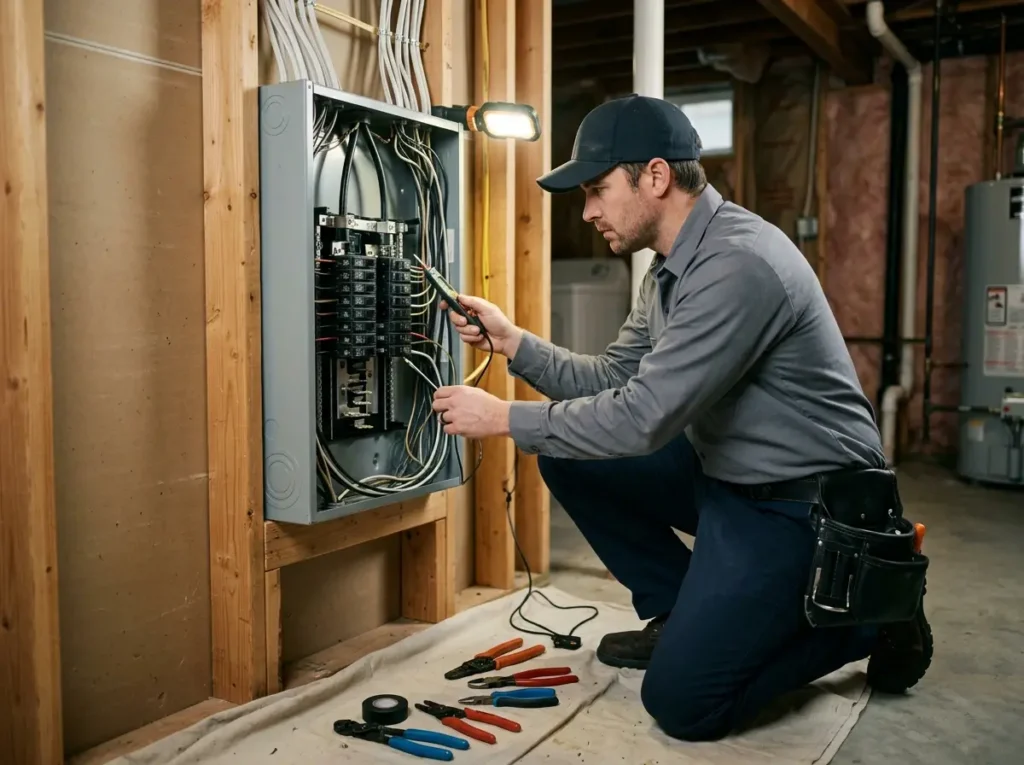
Projects requiring panel upgrades represent the most extensive EV charger installations. A panel upgrade from 100-amp to 200-amp service typically requires 4 to 6 hours for the panel replacement itself, plus additional time for charger installation. These projects often involve coordination with the utility company for service disconnect and reconnect, and may require scheduling across multiple days. We manage all utility coordination and provide timeline expectations before work begins.
For homeowners researching EV charger installation near me services, we provide initial assessments that include timeline estimates based on your specific property. We understand that you need your charger operational quickly after purchasing your EV, and we prioritize installation scheduling to minimize the time you rely on public charging stations.
Why Professional EV Charger Installation Matters
EV chargers differ from other home appliances in ways that demand professional electrical expertise. They operate at high amperage for extended periods—often 4 to 10 hours continuously. This sustained load creates heat buildup that can degrade wiring, connections, and breakers not properly sized for continuous operation. They require coordination with utility service capacity, as homes with undersized service may experience main breaker trips when EV charging coincides with other high-demand appliances. They demand proper grounding and bonding to ensure safety during fault conditions.
Our installations address every technical requirement. We size wiring to account for both amperage and distance, preventing voltage drop that reduces charging speed. We select breakers rated for continuous loads, with proper thermal characteristics that prevent nuisance tripping. We verify panel capacity through actual load calculations, not assumptions, ensuring your EV charging doesn't compromise other electrical systems. We test completed installations under load, confirming that charging speeds match expectations and that all safety systems function correctly.
We also help you navigate the evolving landscape of EV charging technology. We can install conduit and wiring sized for higher amperage than your current charger requires, allowing future upgrades without rewiring. We can position chargers to accommodate multiple vehicles or future charging ports. We can integrate charging with solar systems or battery storage for homeowners seeking energy independence. When you choose us for home EV charging station installation in South Fulton, you receive not just a functional charger but a scalable solution that adapts as your electric vehicle needs grow. Your EV represents a significant investment in sustainable transportation—protect that investment with the professional electrical work it deserves.