

Proper Bathroom Exhaust Fan Installation Protects Your Home
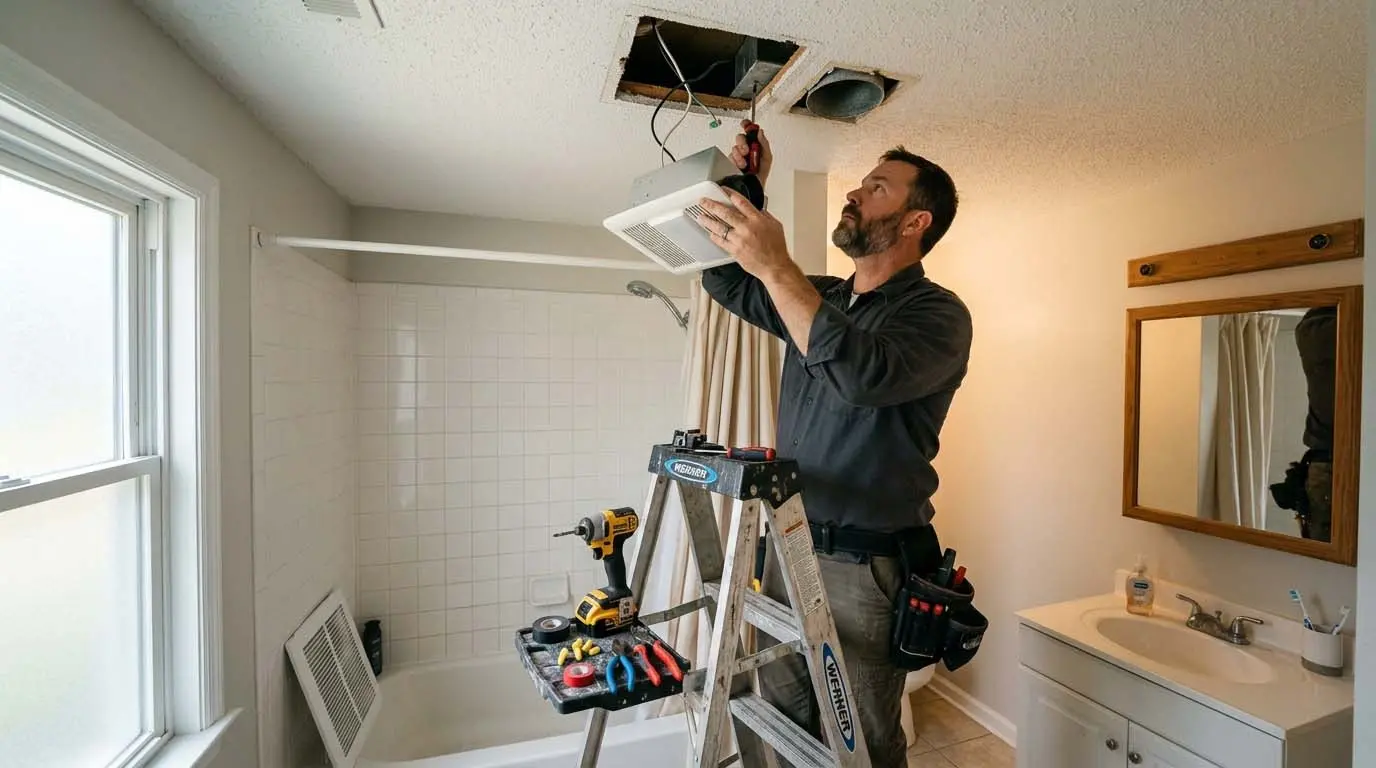
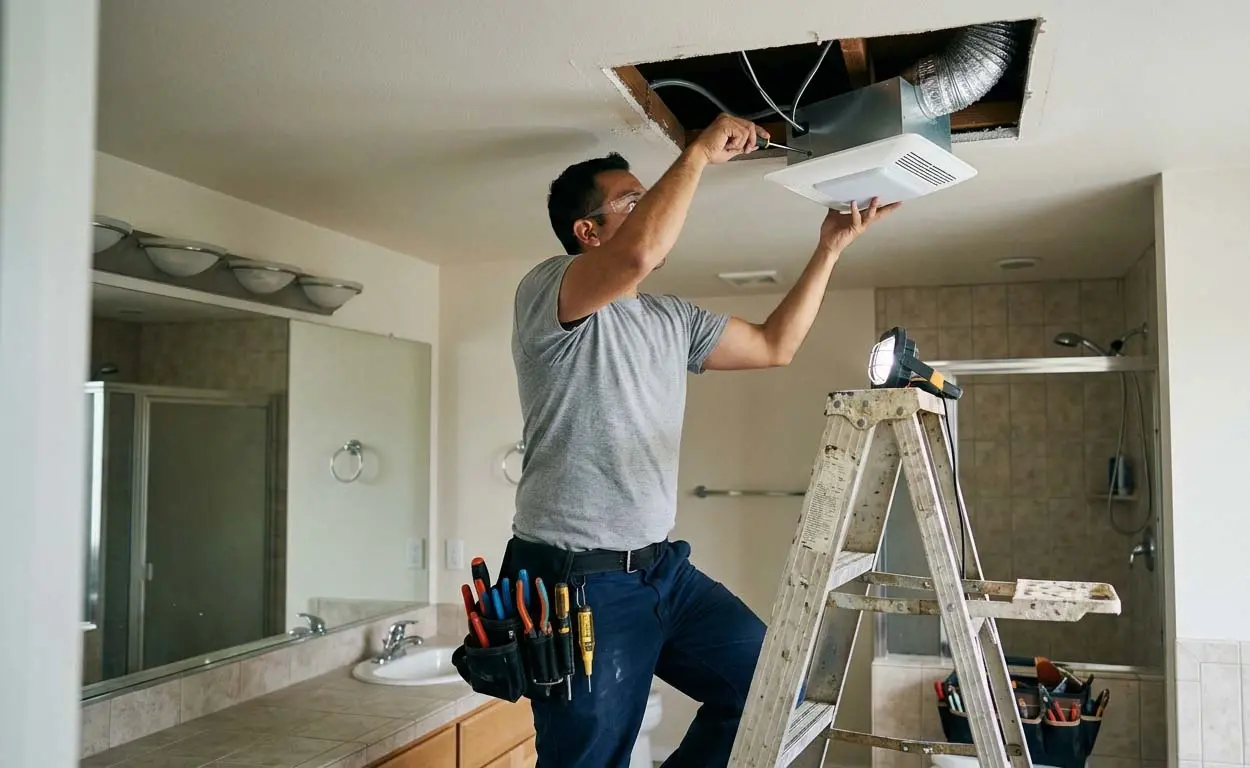
When you remodel your Atlanta bathroom, installing a correctly sized exhaust fan is essential for preventing moisture damage. Without proper ventilation, daily showers send humidity into walls, ceilings, and cabinetry, leading to peeling paint, warped wood, and mold growth. We specialize in bathroom exhaust fan installation—from selecting the right CFM rating for your square footage to running dedicated circuits and venting through the roof or exterior wall.
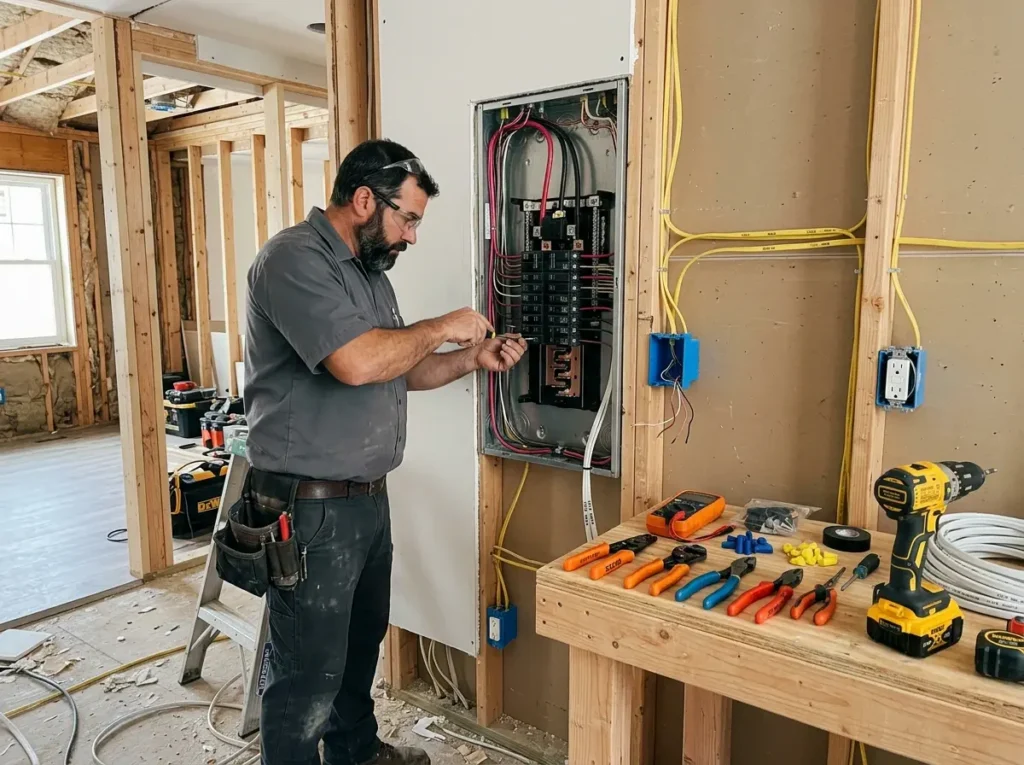
We coordinate with your contractor to install fans at the right stage—when ceilings are open and ductwork is accessible. For homeowners in Atlanta planning bathroom renovations, this means ventilation work that integrates seamlessly with your timeline rather than delaying other trades.
Bathroom Exhaust Fan Services We Provide
We measure your bathroom's square footage to determine the correct fan size. For bathrooms up to 50 square feet, we install 50 CFM fans. For 50-100 square feet, we use 70-90 CFM fans. For master bathrooms over 100 square feet, we install 110-150 CFM fans or multiple units. We also recommend upgrading to 150+ CFM for bathrooms with jetted tubs or steam showers.
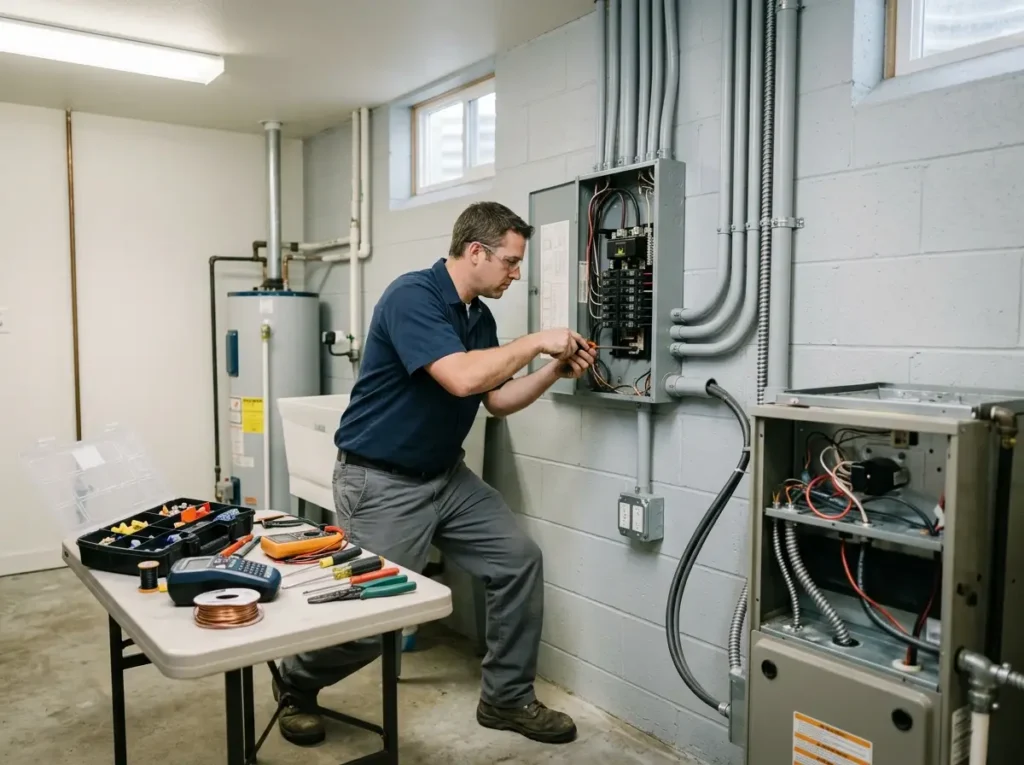
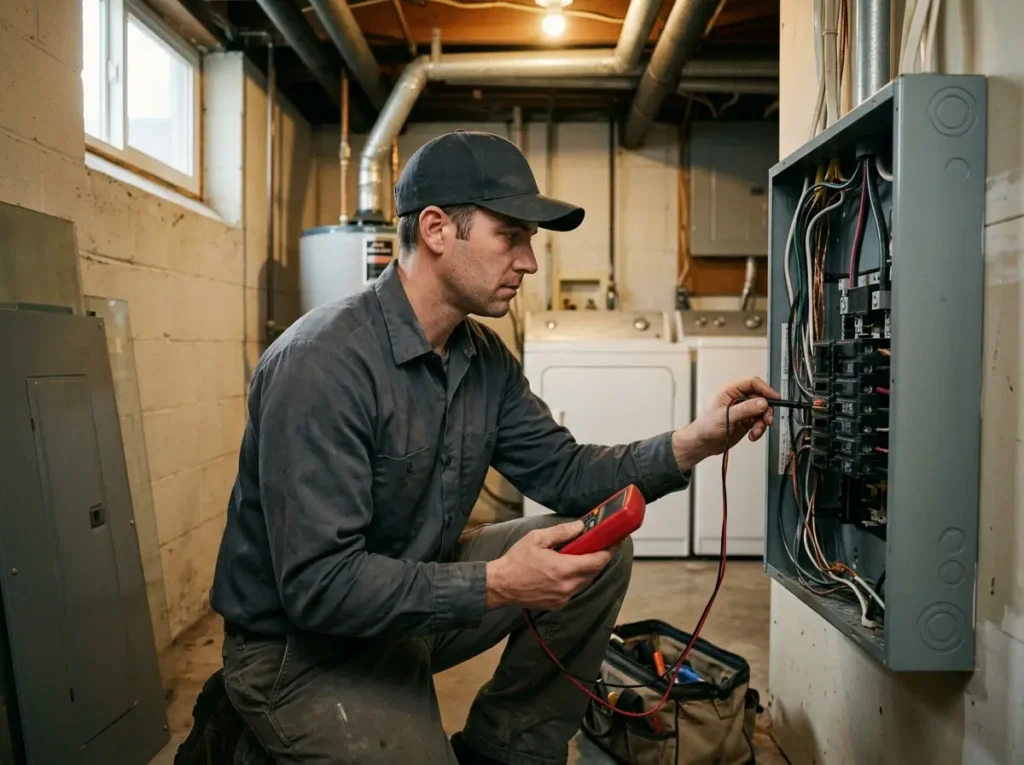
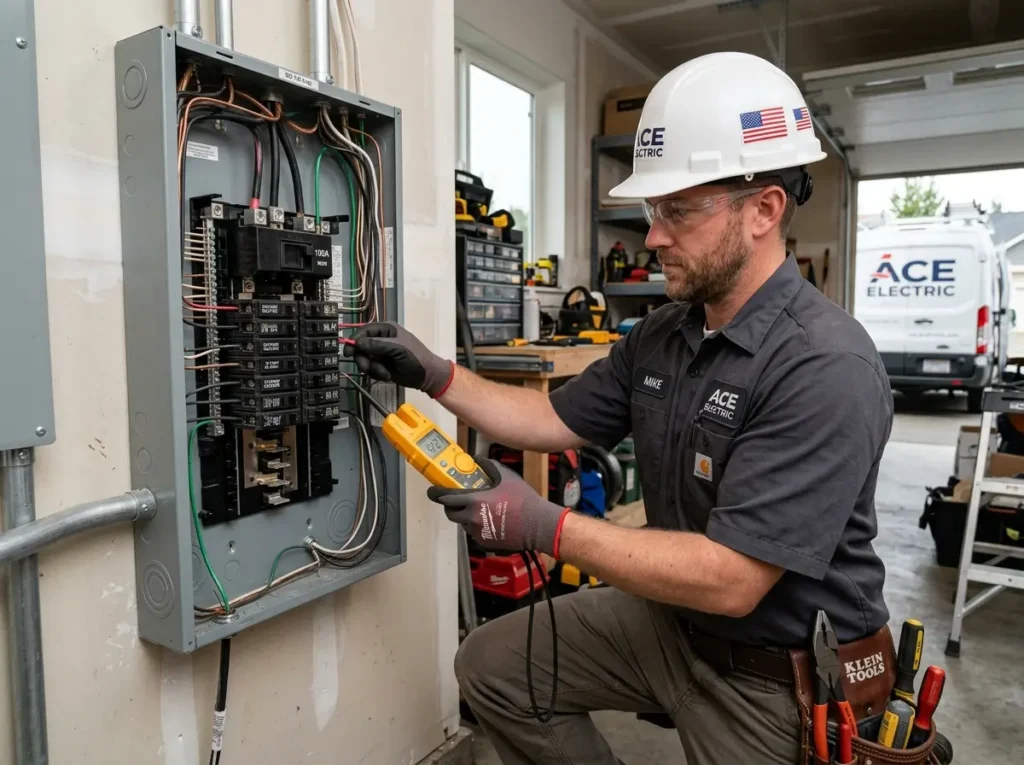
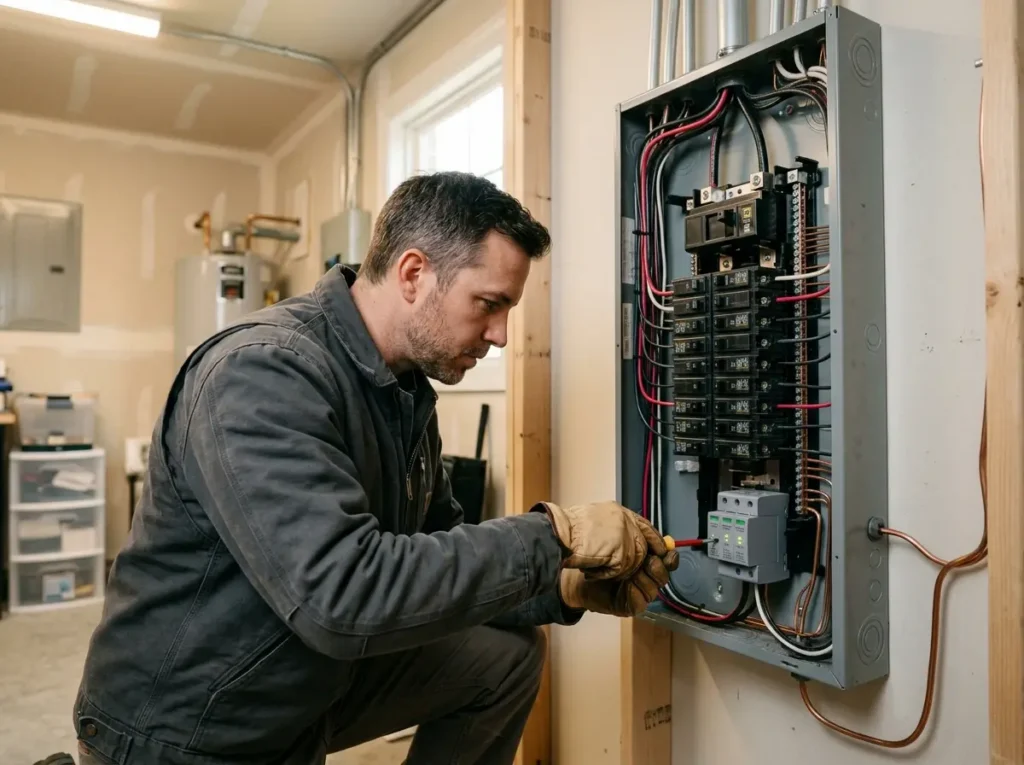
We run dedicated 15-amp or 20-amp circuits from your panel to each fan, ensuring they operate without sharing power with lights or outlets. We install quiet fans rated at 1.0 sones or less for master baths, and more affordable 2.0-3.0 sone fans for guest baths. We connect fans to timer switches (preset for 15-60 minutes) or humidity sensors that activate automatically when moisture levels rise above 60-70%.
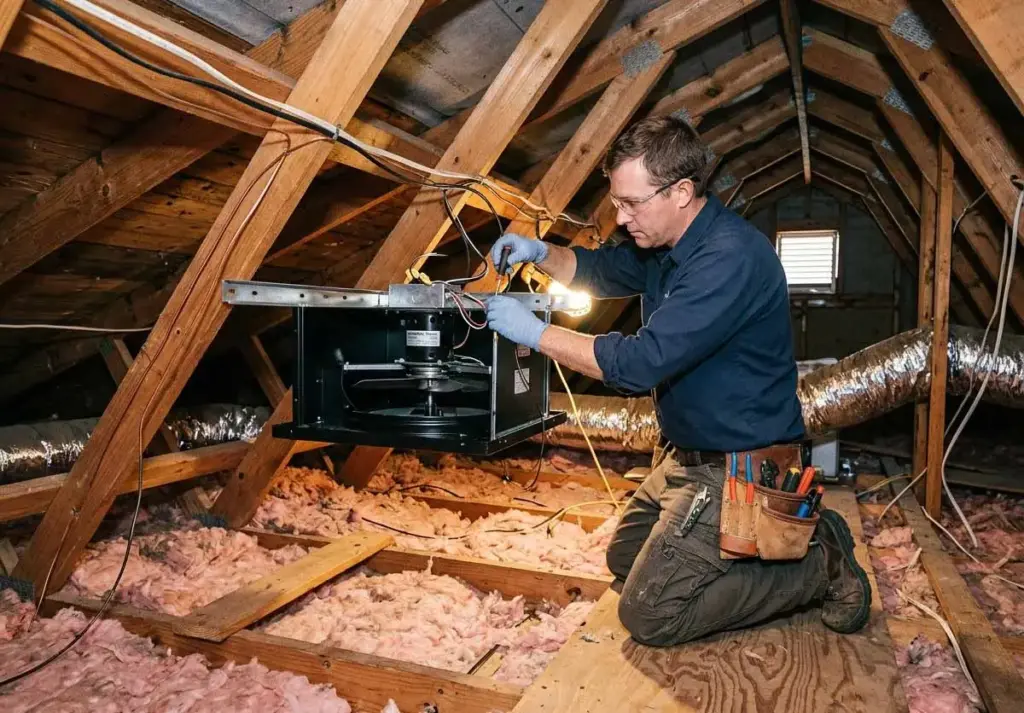
For proper venting, we install rigid 4-inch aluminum or galvanized steel ductwork (never flexible plastic) and terminate through a roof cap or exterior wall hood with a backdraft damper. We never vent into attics, soffits, or crawl spaces—this is a code violation that causes moisture problems. We also install insulated duct sleeves in unconditioned attics to prevent condensation inside the pipe.
- CFM sizing based on actual bathroom square footage and fixture count
- Dedicated circuit wiring from panel to fan with correct breaker sizing
- Quiet fan selection (0.5-1.5 sones for master bathrooms, 2.0-3.0 for powder rooms)
- Timer switch and humidity sensor installation for automatic operation
- Rigid metal ductwork with proper slope to exterior termination
- Roof cap or wall hood installation with backdraft damper
- Insulated duct sleeves for unconditioned attic runs
- Sealing all joints with foil tape (not duct tape) to prevent air leaks
- Testing airflow at the exterior vent to confirm proper operation

What We Find in Atlanta Homes Without Proper Exhaust Fans
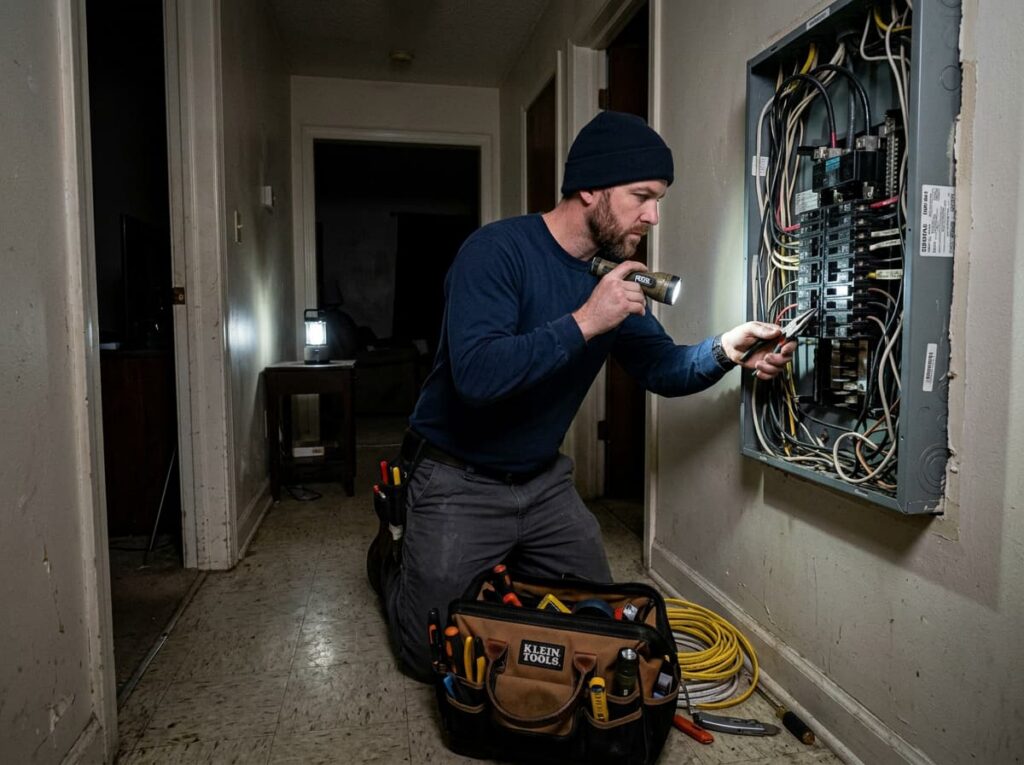
During bathroom renovations, we regularly discover existing fans that vent directly into attics—this is illegal and causes rot, mold, and insulation damage. We find undersized 50 CFM fans installed in 150 square foot master bathrooms that cannot remove adequate moisture. We encounter fans vented through flexible plastic duct that has collapsed or been crushed by insulation. We see fans connected to lighting circuits, causing nuisance tripping when lights and fans run simultaneously. We also find fans so noisy (4.0+ sones) that homeowners never use them, defeating their purpose entirely.
We replace these improper installations with correctly sized, code-compliant systems. A typical bathroom exhaust fan installation takes 3-6 hours, including running new circuits, installing rigid ductwork, cutting exterior wall or roof openings, and testing airflow. For homes with no existing fan, we add a new unit with proper switching and venting. For existing fans that vent into attics, we reroute ductwork to the exterior and seal roof or wall penetrations properly.
For Atlanta homeowners investing in bathroom renovations, proper exhaust fan installation protects your new finishes. We deliver code-compliant, correctly sized ventilation that removes humidity effectively, operates quietly, and prevents mold and moisture damage for years to come.