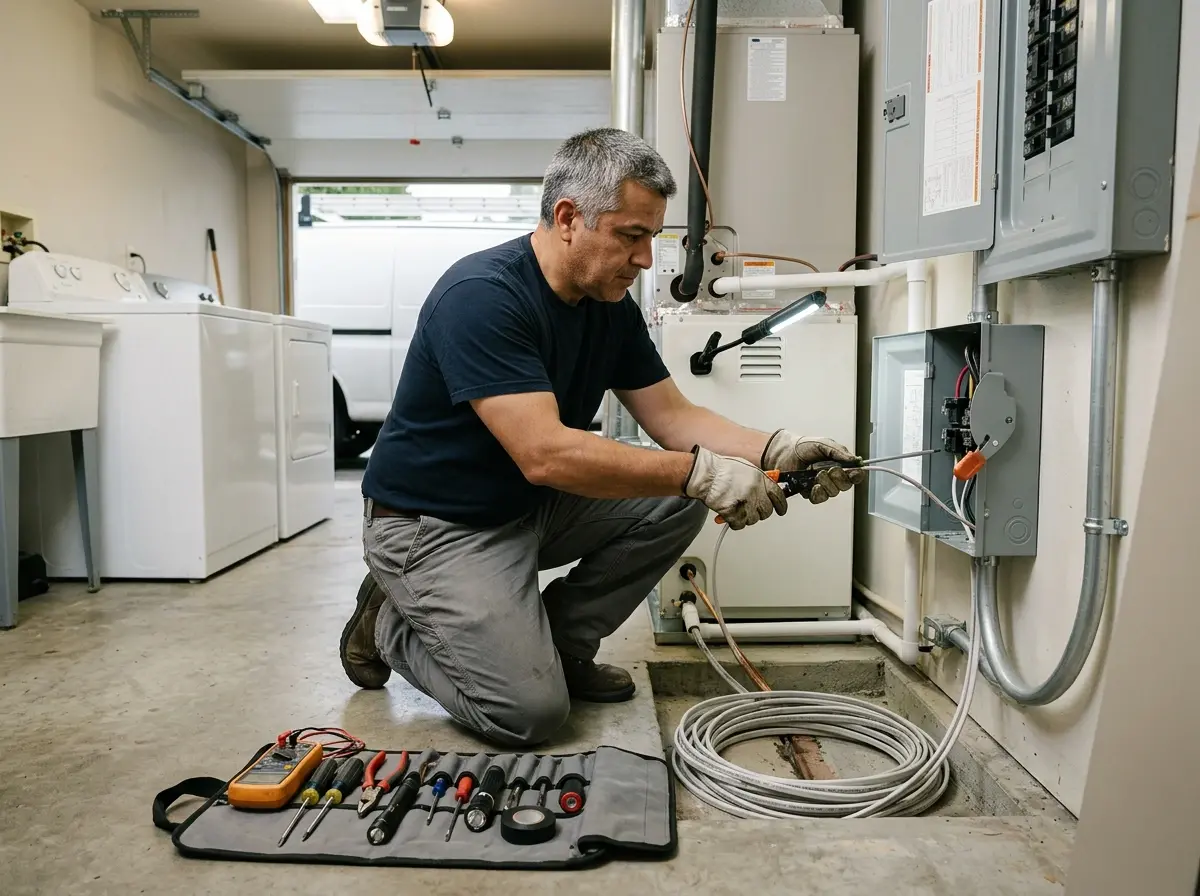
Specialized Electrical Connections for Major Home Equipment
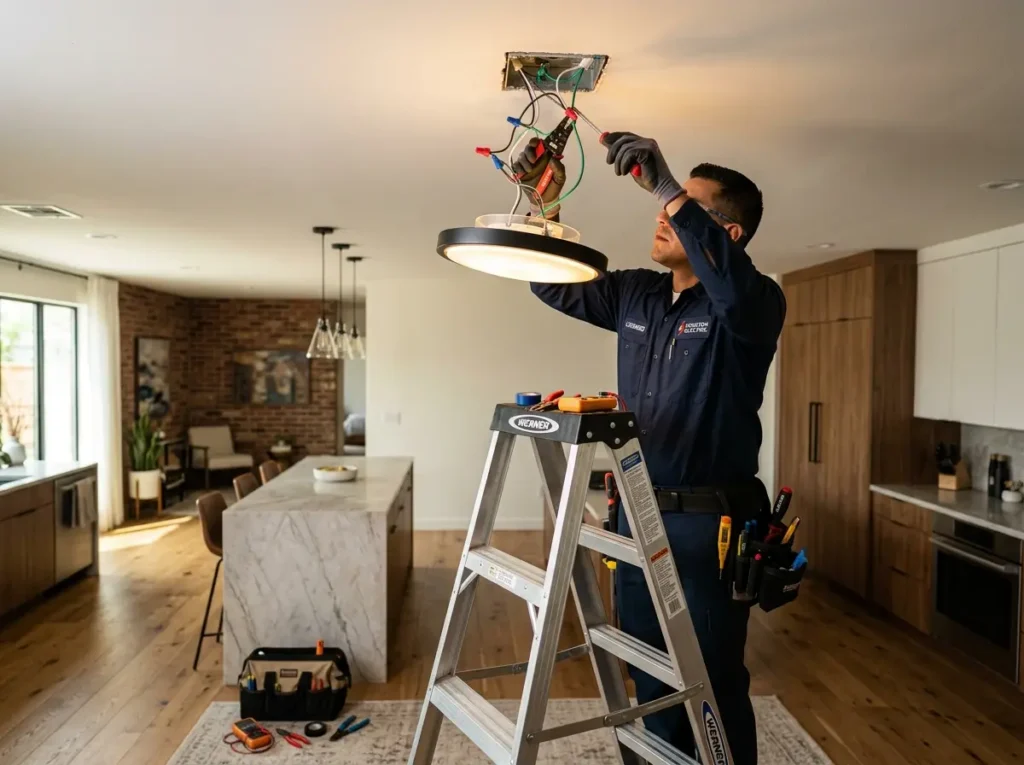
Appliances and HVAC systems differ fundamentally from standard household circuits. They demand higher amperage, specific voltage configurations, dedicated circuits, and connections that withstand vibration, heat, and continuous operation. A standard outlet circuit cannot safely power an electric range, and a dryer plugged into an undersized circuit creates fire risk long before a breaker trips. As electrical contractors serving Augusta homeowners, we specialize in these dedicated connections—understanding the unique requirements of each appliance type, coordinating with HVAC contractors when necessary, and delivering hookups that satisfy both electrical code and equipment warranty conditions. Our work ensures your major investments receive the power they need to perform safely and reliably.
Appliance Hookup Services We Provide
Kitchen appliances demand the most varied hookup configurations. For homeowners adding or replacing cooking equipment, we perform electric stove hookup services that include verifying existing circuit capacity, installing proper 240-volt outlets with correct NEMA configurations, and ensuring the range's location meets clearance and accessibility requirements. For built-in applications, our oven hardwire installation involves direct connections to dedicated circuits, using approved junction boxes and strain relief that accommodate the oven's installation depth and ventilation needs. We also handle cooktop hookups, downdraft ventilation connections, and integrated appliance packages where multiple units share electrical planning.
Laundry equipment requires equally specific attention. Our dryer outlet installation services include evaluating panel capacity, running new circuits when necessary, installing the correct 240-volt outlet configuration (typically NEMA 14-30 for modern dryers), and verifying that both the electrical and exhaust venting requirements coordinate properly. For gas dryers that still require 120-volt power, we install dedicated circuits with proper grounding and GFCI protection where code requires.
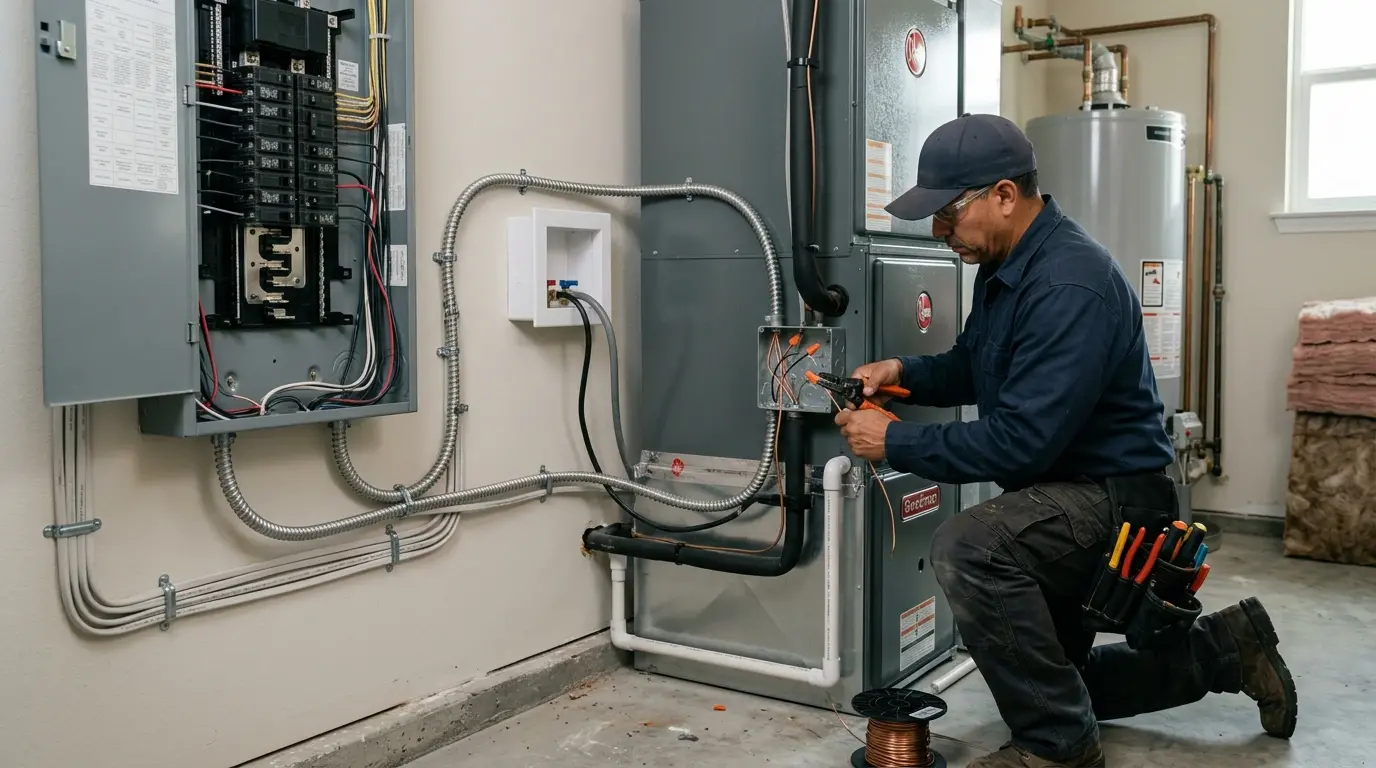
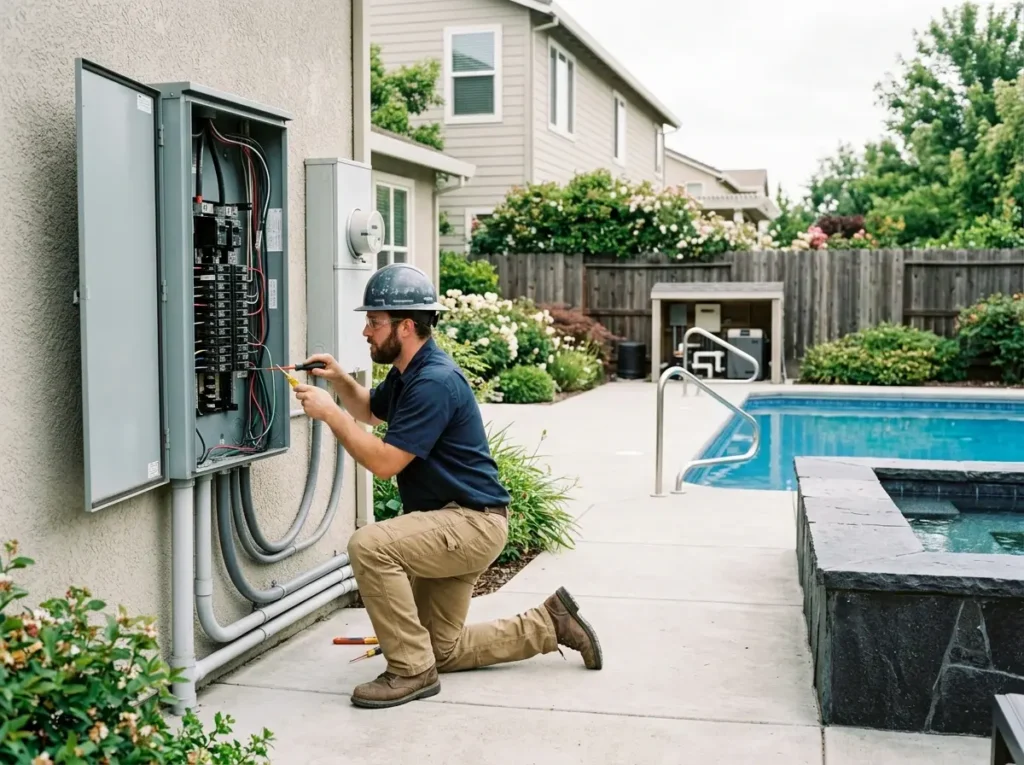
Climate control systems represent another critical category. Our AC disconnect installation involves mounting weatherproof disconnects adjacent to outdoor condenser units, running appropriately sized circuits from the panel, and coordinating with HVAC contractors on equipment placement and startup. We handle connections for heat pumps, air handlers, electric furnaces, and mini-split systems—each with specific voltage, amperage, and control wiring requirements that vary by manufacturer and system type.
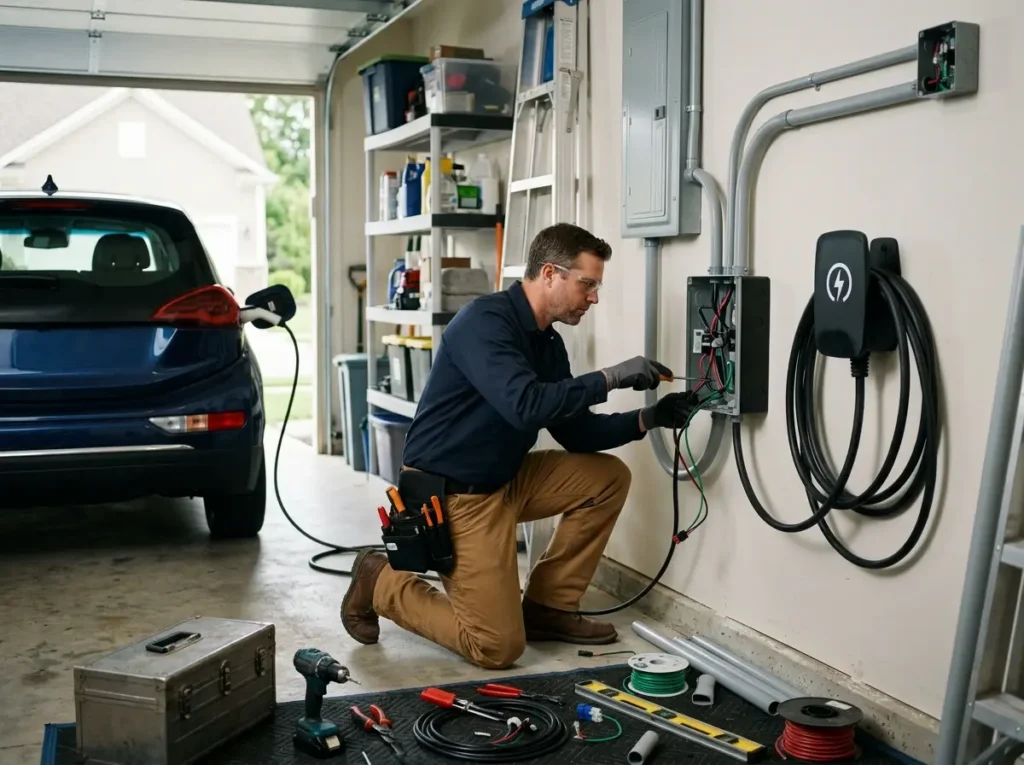
The rapidly growing category of electric vehicle charging demands particular expertise. Our EV charger installation services include evaluating existing panel capacity for the additional 40- to 80-amp load, recommending appropriate charger levels based on driving habits and vehicle capabilities, running dedicated circuits to garage or exterior locations, and selecting between plug-in or hardwired configurations based on charger type and local code requirements. We coordinate permit acquisition and inspection scheduling, ensuring your EV charger installation meets utility requirements for potential time-of-use rate programs.
Additional Appliance Connections We Handle
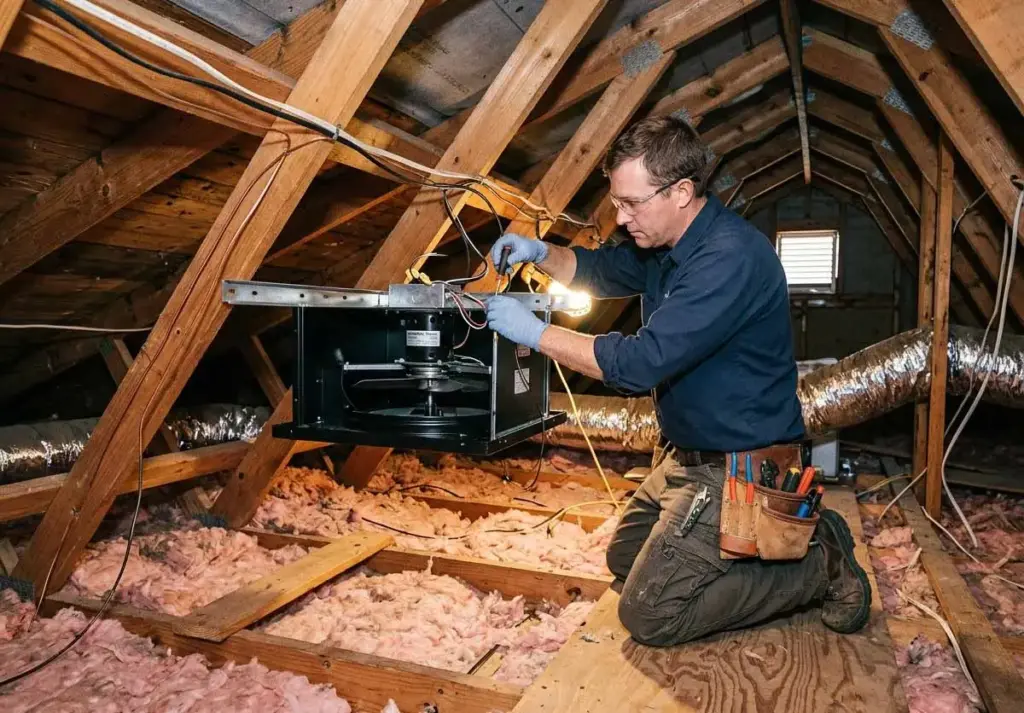
Beyond these primary categories, we manage electrical hookups for a range of other major equipment. Electric water heaters require dedicated 240-volt circuits sized to the tank's wattage rating, with proper disconnects and temperature/pressure relief coordination. Dishwashers and garbage disposals often share circuits under older configurations; we update these to meet current code requirements for dedicated small appliance branch circuits or properly sized shared configurations with appropriate labeling. Well pumps demand specialized attention to voltage, control wiring, and pressure switch coordination. Electric baseboard heaters, garage heaters, and shop equipment all require circuit sizing that accounts for continuous operation derating factors.
Common Hookup Problems We Resolve
We frequently encounter situations where existing appliance hookups create safety concerns or performance issues. Undersized wiring for electric ranges or dryers causes voltage drop that reduces appliance performance and creates heat buildup at connections. Incorrect outlet types—such as older three-prong dryer outlets when four-prong configurations are required—violate current code and create grounding deficiencies. Circuits shared between major appliances cause nuisance trips and overload conditions that damage equipment over time.
For HVAC connections, common problems include disconnects located too close to condensers, violating working clearance requirements; improperly sized breaker-to-wire matches that compromise safety; and missing or inadequate service disconnects that make emergency shutoffs difficult during maintenance or failure situations. For EV chargers, we regularly correct installations where homeowners attempted DIY connections with undersized wiring, incorrect breaker sizing, or lack of permit documentation that complicates home sales or insurance claims.
Installation Timelines and Project Phases
Appliance hookup timelines vary based on whether existing circuits are adequate or new wiring must be installed. A straightforward electric stove hookup or dryer outlet installation where an appropriate circuit already exists at the location typically takes 60 to 90 minutes, including outlet replacement, connection verification, and testing. When new circuits must be run from the panel to the appliance location, projects generally require 2 to 4 hours depending on distance, access conditions, and whether walls require opening or fishing wires through finished spaces.
AC disconnect installation for new HVAC systems typically takes 2 to 3 hours, including running the circuit from the panel, mounting the disconnect, and coordinating with the HVAC technician for final connections and startup. For replacement units where existing wiring may be reused, the timeline shortens to 60 to 90 minutes for disconnect replacement and connection verification.
EV charger installation represents the most variable timeline category. A straightforward installation where the panel has adequate capacity and the charger mounts on a wall adjacent to the panel may complete in 3 to 4 hours. Installations requiring panel upgrades, long conduit runs across finished garages, or trenching to detached structures can extend to full-day projects. We provide clear timeline estimates during initial assessment, identifying factors that may affect duration before we begin work.
For oven hardwire installation in kitchen renovations, timelines coordinate with cabinet and countertop installation schedules. We typically complete rough-in wiring before cabinets, then return for final connections after appliances are positioned. This phased approach ensures proper fit and access while maintaining construction schedules.

Why Specialized Hookup Expertise Matters
Appliance and HVAC hookups involve more than connecting wires. Each equipment type carries specific requirements defined by the National Electrical Code, manufacturer installation instructions, and often local amendments. Using the wrong breaker type—standard versus GFCI versus AFCI—can cause nuisance trips that make appliances unusable or void warranties. Installing outlets without proper weather protection for outdoor condensers creates corrosion and failure risks. Connecting EV chargers without evaluating panel load calculations may create overload conditions that trip main breakers when multiple high-demand appliances operate simultaneously.
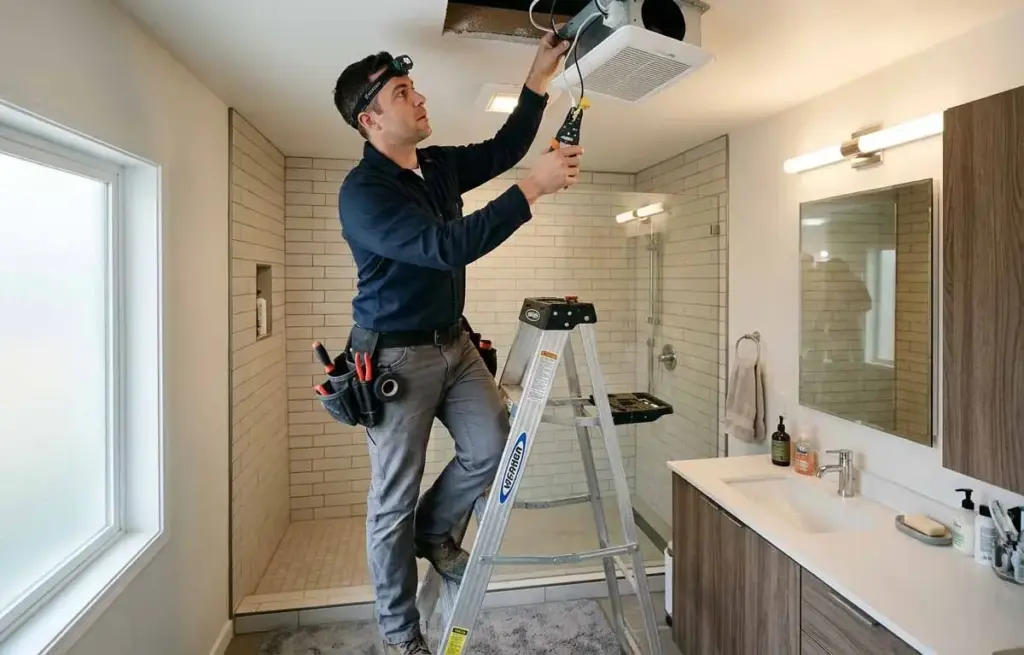
Our approach addresses every requirement. We verify that circuits are dedicated where code requires, that wire sizing accounts for both current and distance, that disconnect locations satisfy accessibility requirements, and that all connections meet torque specifications that prevent loosening over time. We coordinate with appliance deliverers and HVAC contractors, ensuring our work aligns with their schedules and requirements. We obtain permits where required and schedule inspections that document your installation meets all applicable standards.
For homeowners in Augusta adding major appliances or upgrading HVAC systems, our specialized hookup services provide the confidence that your equipment receives safe, code-compliant power. When you need electric stove hookup for a kitchen renovation, EV charger installation for your new vehicle, or any appliance connection requiring professional electrical expertise, we deliver the precision and reliability your home deserves. Your major appliances represent significant investments—protect them with electrical hookups installed by professionals who understand the details that make the difference between reliable operation and costly failures.